
Segurma alarms in Las Palmas
An alarm for your flat, your villa or your apartment in Gran Canaria, Lanzarote and Fuerteventura.
Las Palmas at a glance
A flat in Las Palmas de Gran Canaria that stands empty from eight to five, a villa in Tafira, Santa Brígida or Monte Lentiscal, an apartment in Maspalomas, Puerto Rico, Playa Blanca or Corralejo owned by someone who lives in northern Europe, a casa terrera (the traditional single-storey house) in the medianías, the mid-altitude countryside: in the province of Las Palmas the Segurma alarm is approached differently in each case, and its Alarm Receiving Centre alerts the National Police or the Guardia Civil depending on the municipality. Here we explain it island by island.
Province of Las Palmas and neighbouring provinces · capital: Las Palmas de Gran Canaria. Base map: Instituto Geográfico Nacional (CC BY 4.0).
- Who receives the alert
- The National Police or the Guardia Civil, depending on the municipality. Segurma's Alarm Receiving Centre has it on record for your address and sends the alert with the video of the intrusion.
- Region
- Canary Islands · capital Las Palmas de Gran Canaria
- Areas covered in detail
- 8 comarcas and 37 towns mentioned on this page; Segurma installs across the whole province.
- Usual lead time
- Segurma technician within 24-48 h in Las Palmas de Gran Canaria and the surrounding area; elsewhere the date is confirmed in the survey.
- Price
- €24.90 a month for the first year, the same as everywhere in Spain; then €43.90 or €49.90 a month. Price with IGIC (not VAT); the exact fee is given in writing in the survey.
- Neighbouring provinces
What happens in Las Palmas when your alarm goes off: Gran Canaria, Lanzarote and Fuerteventura
In the province of Las Palmas, public safety is handled by the National Police in the cities that have a police station (Las Palmas de Gran Canaria, Telde, Maspalomas, Arrecife and Puerto del Rosario) and by the Guardia Civil in the other municipalities: Santa Lucía de Tirajana, Ingenio, Agüimes, Arucas, Gáldar, Mogán, Santa Brígida, Teror, Tías, Teguise, Yaiza, La Oliva, Pájara, Antigua and the rest. Segurma's Alarm Receiving Centre (ARC) has on record, for every home, which of the two forces is responsible; the local police back them up in every municipality, and in the capital the local police also receive alerts and patrol.
The sequence is always the same. A camera detector picks up movement in the living room while the system is armed, or a magnetic sensor notices the sliding door to the terrace opening. The alarm panel sends the signal, a few images of the moment and the audio from the room to the ARC. An operator reviews them. If it is the person who looks after the apartment and they came in with their tag, nothing happens; if someone is there who should not be, the alarm is confirmed as real and the ARC alerts the National Police or the Guardia Civil with those images. You get the notification in the app at that moment, whether you are in Las Palmas, Madrid or Oslo, and you can watch the cameras live.
The alert comes from Segurma, a licensed security company registered in the National Private Security Register under number 3082. It is an alert verified with images: for the Guardia Civil post in Mogán or Yaiza, with hundreds of apartments shut in the low season, that is the difference between a suspicion and a fact.
Islands, owners far away and houses without fibre
Thousands of homes on the three islands belong to owners who live on the mainland or in northern Europe, and many houses in the medianías and the countryside have no fibre. The alarm panel has its own battery and communicates over the home line and over 4G/5G: if one route fails, the other keeps the link with the ARC. The app works from any country.
Where Segurma installs in Las Palmas province
In Gran Canaria, Lanzarote and Fuerteventura. These are the areas and the type of home we usually find in each one; the lead time for each island is confirmed during the survey.
Las Palmas de Gran Canaria
Flats in Vegueta, Triana, Arenales, Alcaravaneras, Guanarteme, La Isleta, Escaleritas, Schamann, Ciudad Alta, Siete Palmas or Las Torres, with plenty of ground-floor and first-floor flats opening onto the street and interconnecting roof terraces; villas in Ciudad Jardín, Tafira, El Batán, San Lorenzo and Tamaraceite. In a flat you protect the door, any accessible roof terraces and windows and the hallway; in a villa, the perimeter.
Cumbre and medianías: Santa Brígida, Monte Lentiscal, Teror, Valsequillo, San Mateo, Tejeda, Moya and Firgas
Villas with a garden in Santa Brígida, Monte Lentiscal and Tafira Alta, casas terreras and country houses in the medianías, many of them weekend homes. Several entrances and few neighbours in sight.
Telde, Ingenio, Agüimes and Vecindario
Flats in Telde, Vecindario, El Cruce de Arinaga and the old town of Ingenio; casas terreras and townhouses in Jinámar, Melenara, Salinetas, La Garita, Arinaga and Carrizal; country houses in the medianías. Telde has the National Police; Santa Lucía, Ingenio and Agüimes, the Guardia Civil.
Tourist south: Maspalomas, Playa del Inglés, San Agustín, Meloneras, Puerto Rico, Arguineguín, Amadores and Puerto de Mogán
The island's biggest concentration of second homes: apartments and bungalows in complexes, many owned by Germans, Scandinavians or Britons, and villas in Meloneras, Sonnenland, Montaña la Data or Tauro. Maspalomas has the National Police; Mogán, the Guardia Civil.
North: Arucas, Gáldar, Guía, Agaete and Moya
Flats and houses in the town centres, casas terreras in the outlying districts and banana plantations with a house, plus second homes in Agaete, Sardina and San Felipe. The whole area alerts the Guardia Civil.
Lanzarote: Arrecife, Puerto del Carmen, Costa Teguise, Playa Blanca, San Bartolomé, Tinajo and Haría
Flats in Arrecife (National Police station), villas and apartments owned by Europeans in Puerto del Carmen, Costa Teguise and Playa Blanca, village houses in Teguise, Tinajo, Haría and Yaiza. Outside Arrecife the alert goes to the Guardia Civil.
Fuerteventura: Puerto del Rosario, Corralejo, Caleta de Fuste, Costa Calma, Morro Jable, Gran Tarajal and La Oliva
Flats in Puerto del Rosario (National Police), villas and apartments in Corralejo, Caleta de Fuste, Costa Calma and Morro Jable, and village houses in Antigua, Tuineje, Betancuria and La Oliva. Outside the capital the alert goes to the Guardia Civil.
West and ravines of Gran Canaria: Mogán, La Aldea, Tejeda and inland San Bartolomé
Country houses and village houses in the ravines, fincas and isolated homes reached by dirt track, where prior verification and 4G/5G communication are what make the alarm work.
If your municipality is not listed, Segurma installs there too: all three islands are within the service area. During the survey we confirm the lead time by postcode.
How burglars get into homes in Las Palmas and what stops them
Home burglaries almost always happen when the house is empty, in minutes, through the most convenient entry point. In Las Palmas that entry point varies a lot between a flat in Schamann, a villa in Tafira and a bungalow in Maspalomas.
Flat in Las Palmas, Telde, Arrecife or Puerto del Rosario
The front door (old locks opened by slipping the latch or by bumping, or forced on a landing with no neighbours), windows of ground-floor and first-floor flats reached from the street or from a shop, and interconnecting roof terraces, very common on the islands. A magnetic sensor on the door raises the alert at the first attempt; a camera detector in the hallway captures whoever comes in; the indoor siren makes an intruder leave in a block of flats.
Villa in Tafira, Santa Brígida, Ciudad Jardín or a villa in the south
The intruder gets onto the plot over the back wall, checks from the garden whether anyone is in and goes for the living-room sliding door, a ground-floor window or the garage. The outdoor detector picks him up on the plot; the IP camera with audio in the Kit Tranquilidad Plus lets you watch from your phone; the ARC alerts the National Police or the Guardia Civil while he is still outside.
Holiday apartment or bungalow in a complex in the south, in Lanzarote or in Fuerteventura
The terrace sliding door and the back patio, which in complexes open onto communal areas anyone can walk through. The complex's reception does not watch your terrace. Magnetic sensor on the door and on the sliding door, camera detector in the living room and an IP camera to check the apartment from home.
Village house or country house in the medianías
Several entrances (main door, patio, tool shed, roof terrace), and often no neighbour in sight. Sensors on every entrance, camera detectors at the unavoidable passage and an outdoor detector. The panel, with its battery and 4G/5G, keeps the link with the ARC even if the power goes or there is no fibre.
When it happens
August and Carnival in the capital; the low season in the complexes in the south and on the other islands, when many apartments are left shut for months; weekends in the houses in the medianías; and city families' holidays on the mainland. With the alarm armed and connected, those days stop being any different.
Anti-squatter alarm in Las Palmas: shut-up apartments, inherited flats and country houses
On the islands the homes that spend months empty are above all the apartments and villas in tourist complexes owned by people who live elsewhere, the inherited flats in Las Palmas, Telde or Arrecife that the family has not yet sold or let, and the casas terreras and country houses in the medianías. These are exactly the homes where a squat takes weeks to be discovered.
If the break-in is detected as it happens, with images of someone forcing the sliding door, the National Police or the Guardia Civil can act on a crime in progress. If you find out when you arrive on holiday, what is left is a court case. The whole point of an anti-squatter alarm is that first minute.
What the system does in an empty house
- The magnetic sensors on doors, windows and sliding doors raise the alert at the first attempt to open them, not once the intruder has already changed the lock.
- The camera detector takes images of whoever comes in and sends them to the ARC, which verifies them and alerts the police with those images.
- The warning sign and the siren mean the apartment or the flat does not look abandoned, which is the first thing anyone picking a home to squat looks for.
- With the IP camera in the Kit Tranquilidad Plus you can check the house from your phone, whether you are in Las Palmas, Madrid or Hamburg.
The legal framework, in short
There are two separate offences: breaking and entering (allanamiento de morada), when someone enters an inhabited home (including a second home that is in use), and unlawful occupation (usurpación), when they enter a property that is nobody's home. Both have gone through the fast-track court procedure since April 2025, but in practice the difference is still the same: an intrusion detected and verified at the time allows action on the spot, and a completed squat ends up in court. If you already have squatters in, consult a lawyer; we do not give legal advice here.
More detail, with the full protocol, on the Segurma anti-squatter alarm page.
Holiday homes in the south of Gran Canaria, Lanzarote and Fuerteventura
Maspalomas, Playa del Inglés, San Agustín, Puerto Rico, Amadores, Puerto de Mogán, Puerto del Carmen, Costa Teguise, Playa Blanca, Corralejo, Caleta de Fuste, Costa Calma, Morro Jable: the islands live off second homes and holiday apartments, with owners from the mainland and half of Europe who use them a few weeks a year and keep them shut the rest, in complexes where hardly anyone lives in the low season.
What a house like that needs is not a siren, which nobody hears in a half-empty complex, but someone to check what is going on and alert the Guardia Civil or the National Police, and the ability to look at the house yourself from your phone. The Kit Tranquilidad covers the first; the Kit Tranquilidad Plus adds the IP camera with audio for the second. In villas with a garden, the sensors on the sliding doors and the outdoor detector raise the alert before anyone touches the house.
The system is wireless and needs no building work, so there is no need to ask the community of owners for permission or to touch the house. It communicates over 4G/5G as well as the home line, so you do not need to take out fibre at the holiday home. If you would rather deal with us in English or German, tell us during the survey.
Everything that changes when the house sits empty for months: alarm for holiday homes.
Which kit for each home on the islands
The final kit is decided during the survey; these are the combinations that come up most often in the province. Tap your type of home to see which kit it needs and what it includes.

Flat in Las Palmas, Telde, Vecindario or Arrecife
Kit Tranquilidad: panel, keypad, indoor siren, two camera detectors (hallway and living room), magnetic sensor on the door, key fob remote and tags. In ground-floor flats, first-floor flats and penthouses with an interconnecting roof terrace, magnetic sensors on windows and outside entrances too.
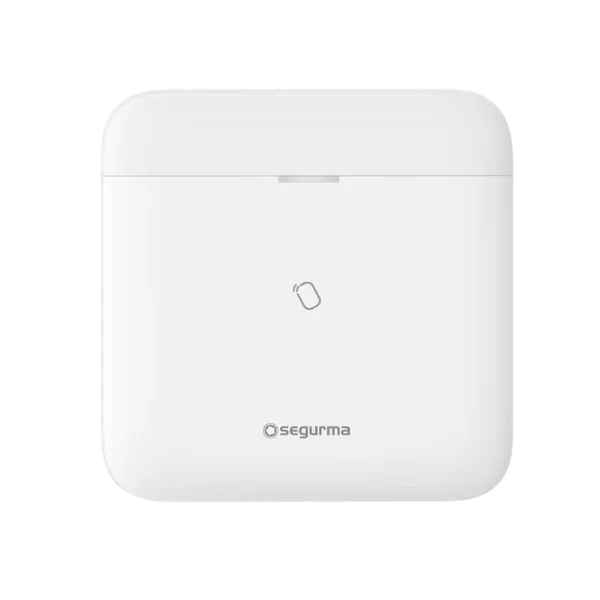 Control panel with battery and 4G/5G
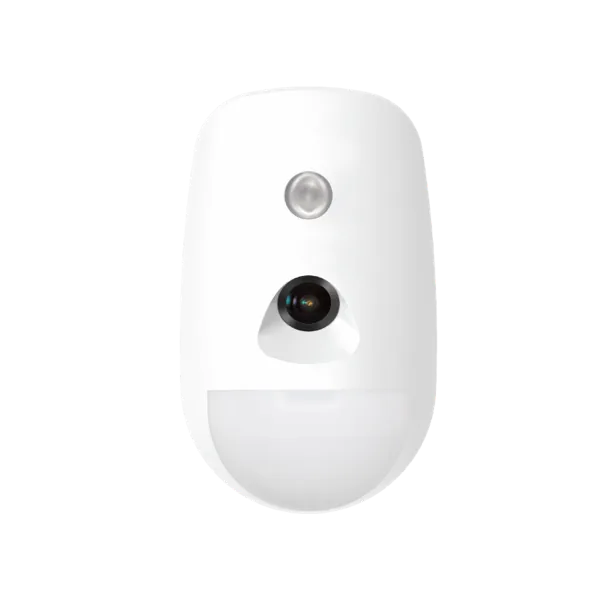 Camera detector
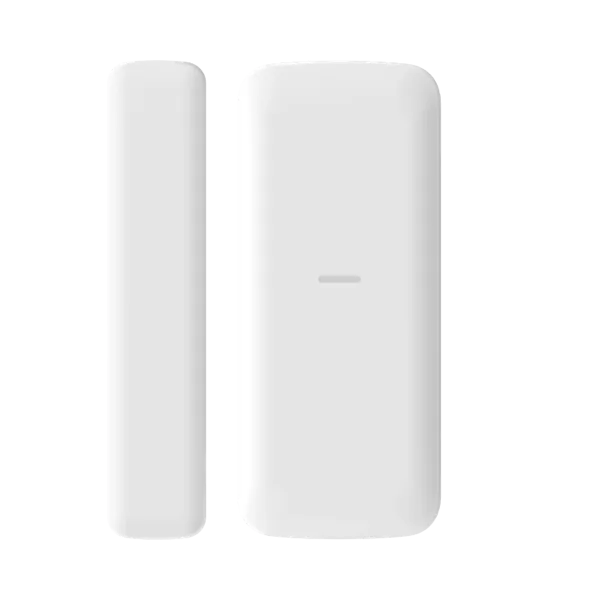 Magnetic sensors
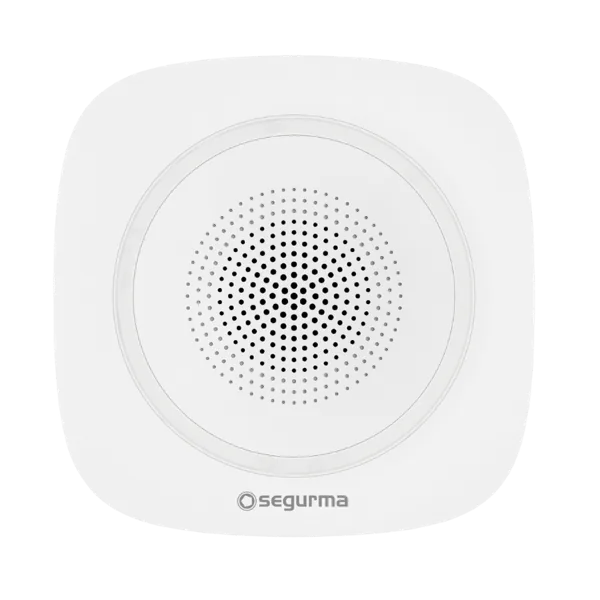 Indoor siren
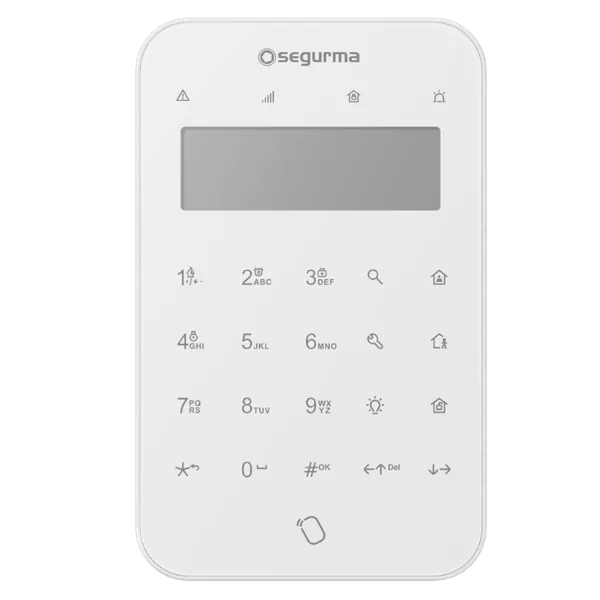 Keypad

Villa in Tafira, Santa Brígida, Ciudad Jardín or Meloneras
Kit Tranquilidad Plus with an IP camera to see the garden and the entrance from your phone and an outdoor detector for the plot. Sensors on the living-room sliding doors, on the garage door if it connects to the house and on the doors to the garden.
- Control panel with battery and 4G/5G
- Camera detector
 Outdoor detector
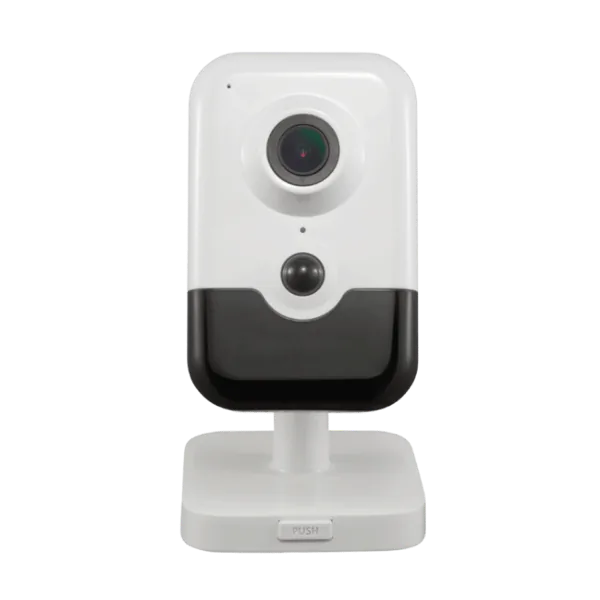 IP camera with audio
- Indoor siren
- Keypad
Holiday apartment or bungalow in Maspalomas, Puerto Rico, Playa Blanca or Corralejo
Kit Tranquilidad Plus for the IP camera; magnetic sensor on the door and on the terrace sliding door, camera detector in the living room. Out of season, what you want is to look at the apartment and have the ARC check every alert.
- Control panel with battery and 4G/5G
- Camera detector
- Magnetic sensors
- IP camera with audio
- Indoor siren
- Keypad
Village house or country house in the medianías
Kit Tranquilidad with sensors on every entrance (main door, patio, tool shed, roof terrace) and an outdoor detector; the Kit Plus if you want to check it from your phone. Panel with 4G/5G where the landline does not reach well and a battery for power cuts.
- Control panel with battery and 4G/5G
- Camera detector
- Outdoor detector
- Indoor siren
- Keypad
Townhouse in Jinámar, Arinaga, Carrizal or Tías
Kit Tranquilidad with sensors on the front door, the patio sliding door and the garage, and a camera detector in the living room. If the patio backs onto a communal area, an outdoor detector.
- Control panel with battery and 4G/5G
- Camera detector
- Outdoor detector
- Indoor siren
- Keypad
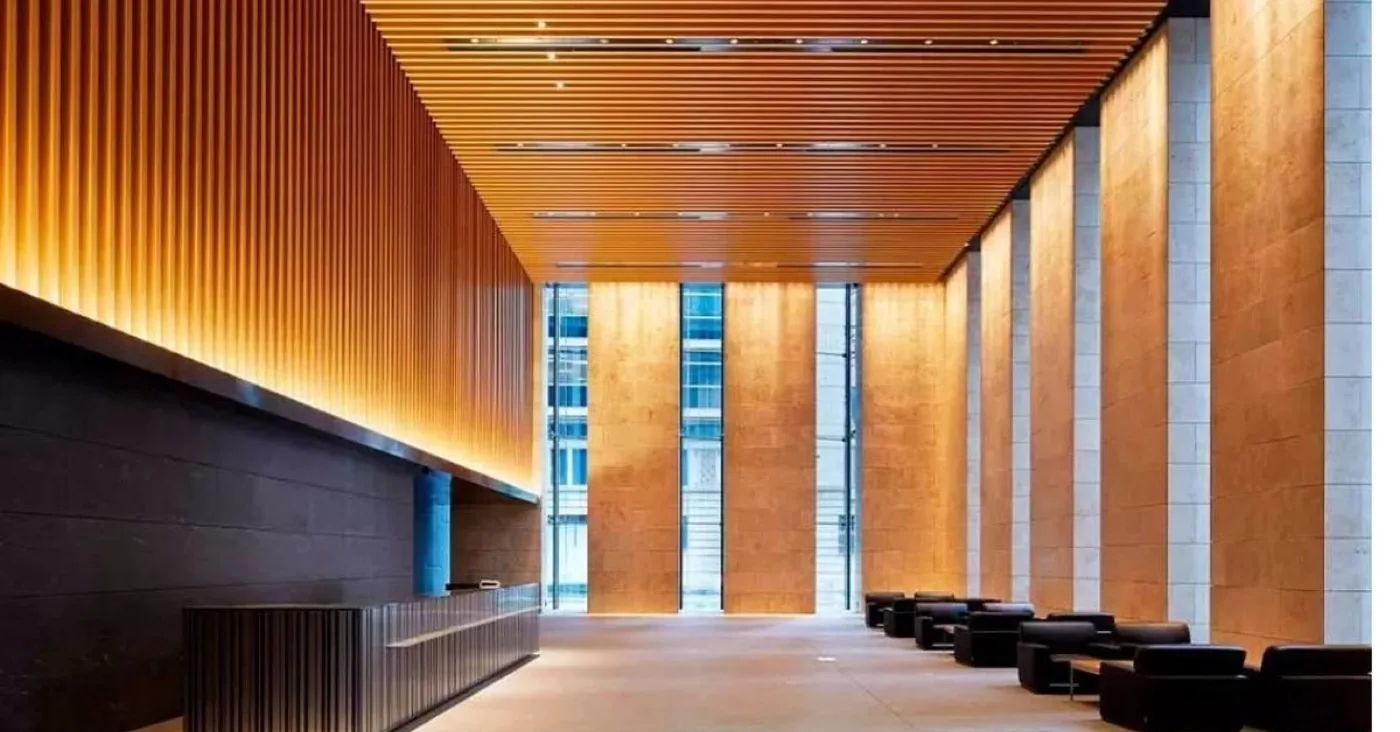
Shop or business in Las Palmas or in the south
For a shop, a restaurant, a pharmacy, an office or a warehouse the set-up changes (IP camera with audio, panic button, arming schedules) and taxes are not included in the monthly fee. It is all explained on the business alarms page.
Typical situations in Las Palmas
Three situations that come up time and again in survey calls from the province, told in general terms in case yours is similar.
The apartment in Playa del Inglés or Puerto Rico with a German or Norwegian owner
Shut most of the year, with a terrace onto a communal area. Sensor on the door and the sliding door, a camera detector in the living room, an IP camera to check it from home abroad; the ARC checks every alert and calls the National Police or the Guardia Civil with the images.
The villa in Tafira or Santa Brígida empty from eight to five
A back garden that cannot be seen from the street, sliding doors into the living room. Outdoor detector, sensors on the sliding doors and the garage, an IP camera to see who is wandering about before they touch the house.
The grandparents' casa terrera in Teror, Valsequillo or Haría
Opened up at weekends and for the fiestas. A sensor on every entrance, an outdoor detector in the patio, a panel with 4G/5G where the landline does not reach well; the Guardia Civil receives a verified alert, not a suspicion.
Common mistakes when protecting a home in Las Palmas
Some mistakes come up in almost every survey call from the province. These are the ones that recur most.
- Relying on the complex's reception. Reception controls the main entrance; it does not see the back terrace of your bungalow or the patio. The connected alarm is the inner layer.
- Forgetting the sliding doors and the roof terrace. In apartments and villas the sliding door is the number one entry point; in flats in the capital, the roof terrace connects to the neighbour's. A magnetic sensor on each one.
- Leaving the house in the medianías with nothing because "there's no internet". The panel communicates over 4G/5G and has a battery: in Teror, Valsequillo, Tinajo or Betancuria it works without fibre and rides out power cuts.
- A standalone camera instead of an ARC. It shows you the burglary after the event from abroad; nobody checks it or calls the police. What counts is an operator looking at the images at the time and alerting the police with them.
- Waiting until the holidays to see how the apartment is. A shut-up home with no warning sign and no alarm is the perfect candidate for a squat which, by the time you discover it, is already a matter for the courts.
- Not mentioning the dog. A detector that does not allow for the pet goes off every five minutes and ends up switched off; during the survey it is positioned so the pet does not set it off.
What works
Covering your home's real entry points (sliding doors, roof terrace and plot included), having the alarm connected to an ARC that verifies before alerting, the indoor siren so the intruder leaves and the app so you know straight away from any country. On islands where thousands of homes spend months shut up, that combination is what stops a burglary or a squat from getting as far as happening.
Price of the Segurma alarm in Las Palmas
The promotion Segurma publishes is national. In the Canary Islands the applicable tax is IGIC (Canary Islands tax), not VAT: the prices on this page are the published ones with VAT for the mainland, and we confirm the exact monthly fee with IGIC in writing during the survey, before you sign.
- Control panel connected 24/7 to Segurma's Alarm Receiving Centre
- Camera detectors for verification
- Keypad, indoor siren and key fob remote
- Police alert with video and audio
- Mobile app to control everything
- Everything in Kit Tranquilidad
- IP surveillance camera with audio
- Live view from your phone
- Additional coverage detector
- Recording and visual verification
Both kits come with the panel with battery and 4G/5G, keypad, indoor siren, warning sign, camera detectors, key fob remote and tags, and the app. Additional elements (outdoor detector, extra magnetic sensors for sliding doors, smoke detector, a second IP camera) are quoted during the survey with their own monthly fee. The minimum contract term and the cancellation conditions are set by Segurma's contract; we give them to you in writing before you sign. Full breakdown and the cost over 24 months on the Segurma prices page.
The parts of the alarm, one by one
The elements most often added in Las Palmas: magnetic sensors, outdoor detector, ip camera with audio. Everything is decided in the survey according to your home; here is each part explained in plain language, with its fee when it is an extra.
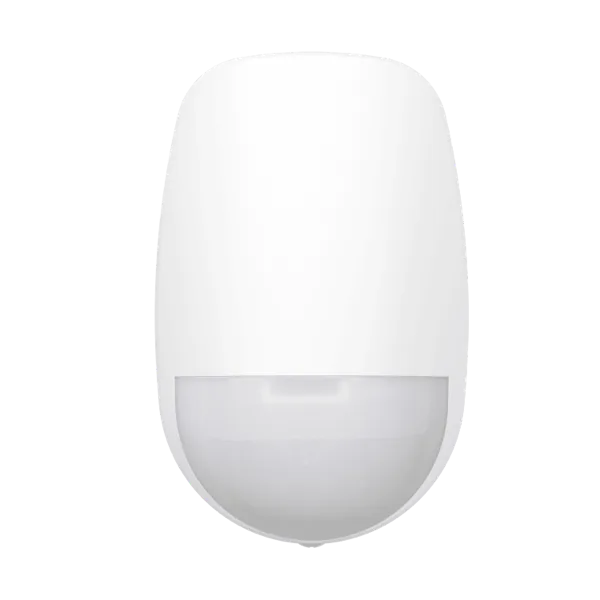
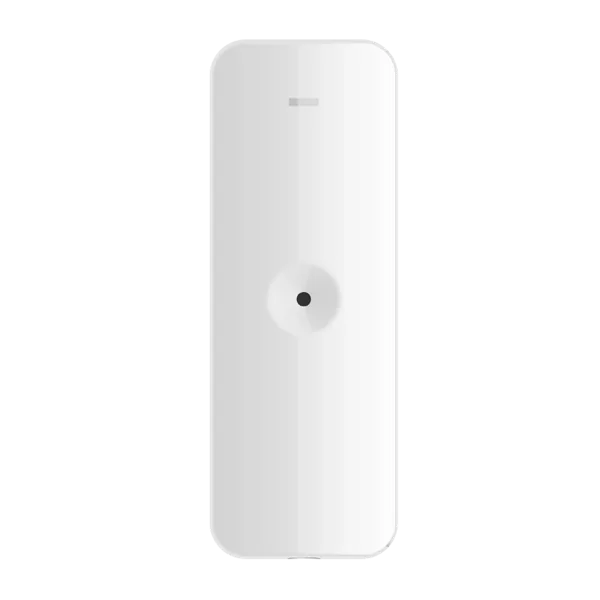
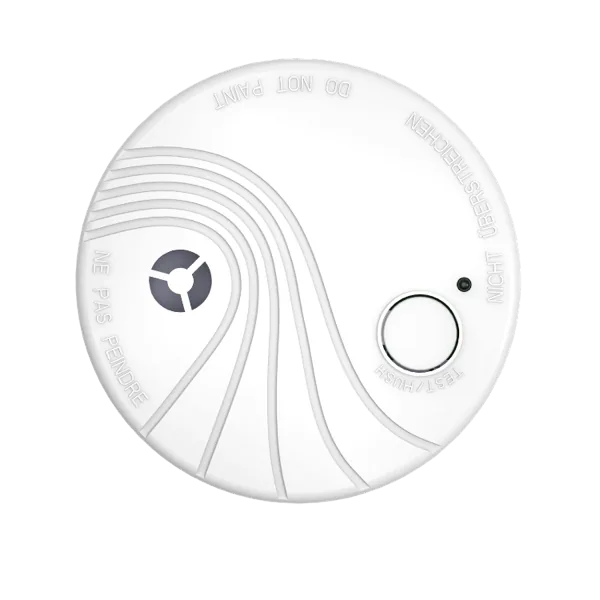
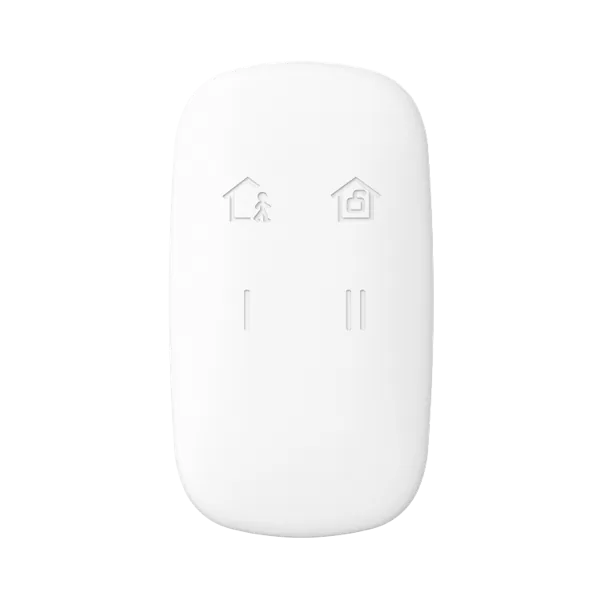
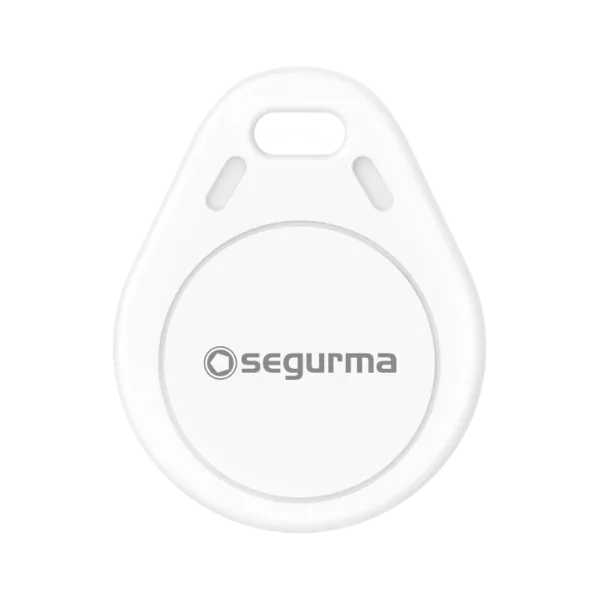
Guide prices for add-on parts (monthly fee, VAT included). The control panel and the parts in your kit are included in the monthly fee; the system is extended to suit your home's needs after a free survey.
Installation in Las Palmas: lead times and the visit
In Gran Canaria, Lanzarote and Fuerteventura the installation lead time is confirmed during the survey according to the island and the schedule for the area. If the owner is not on the islands, the visit is arranged with whoever has the keys.
We talk about your home
Flat, villa, bungalow, apartment in a complex or casa terrera; entrances, sliding doors and roof terrace; pets; how long it stands empty. We propose a kit in writing with the month 13 fee and the IGIC in plain sight.
The technician comes
In a single visit Segurma's technician fits the panel, the detectors and the siren, with no chasing into walls and no visible cables, tests that everything communicates and shows you how to arm, disarm and use the app.
You are connected
The house is linked to Segurma's ARC day and night, and the alert to the National Police or the Guardia Civil, depending on your municipality, is configured.
Segurma Alarmas runs this website and looks after advising you, doing the survey and processing the sign-up. Installation, maintenance and the Alarm Receiving Centre are Segurma's responsibility, and the contract is signed with them.
What Segurma customers say
4.5 out of 5 on Trustpilot from 758 reviews: that is the rating of Segurma's service across Spain, collected and verified by Trustpilot, with no involvement on our part. The reviews that help most when deciding, with the critical ones and the company's reply, are on the Segurma reviews page.
Questions about the alarm in Las Palmas
The National Police in Las Palmas de Gran Canaria, Telde, Maspalomas, Arrecife and Puerto del Rosario, which have a police station, and the Guardia Civil in the other municipalities (Santa Lucía, Ingenio, Agüimes, Arucas, Mogán, Tías, Teguise, Yaiza, La Oliva, Pájara and so on). Segurma's ARC has it on record for your address and alerts them after checking with video and audio that the intrusion is real. You get the notification in the app at the same time.
Segurma's published promotion is €24.90 a month for the first 12 months and, from month 13, €43.90 a month for the Kit Tranquilidad or €49.90 a month for the Kit Tranquilidad Plus, published prices with VAT for the mainland. In the Canary Islands IGIC (Canary Islands tax) applies instead of VAT, so we confirm the exact monthly fee with tax in writing during the survey. The promotion ends on 31 October.
Yes. The survey is done by phone, the installation is arranged with whoever has the keys and the app works from any country. Segurma's ARC checks every alert and calls the National Police in Maspalomas with the images; you get the notification at the same time. If you would rather deal with us in English or German, say so when you ask for the survey.
Yes. All three islands in the province are within Segurma's service area. The installation lead time is confirmed during the survey according to the island and the schedule for the area, along with the proposed kit.
It works to detect the break-in at the time, which is when the National Police can act on a crime in progress. The sensors raise the alert at the first attempt to open, the camera detector takes images of whoever comes in and Segurma's ARC verifies them before alerting. A squat discovered weeks later is already a matter for the courts; the alarm is there so you never get to that point.
Yes. The alarm panel has a built-in 4G/5G line and its own battery, so it works without fibre and stays connected to Segurma's ARC if the power goes. During the survey we check the mobile coverage in your area.
Reception controls the main entrance and the communal areas, not the inside of your apartment or your terrace. The connected alarm covers exactly that: if someone forces the sliding door from the communal area, Segurma's ARC sees it, checks it and alerts the Guardia Civil in Mogán, and reception too if you set it up that way. The two layers complement each other.
Segurma is a national security company based in Loiu (Bizkaia), with its own Alarm Receiving Centre and technicians who install on the islands. Segurma Alarmas, which runs this website, sells its systems: we advise you, do the survey and arrange the sign-up; the service and the contract are Segurma's.
Nearby provinces
If your home is in a neighbouring province, it has its own page with the police protocol and the areas covered there. The provinces with an English page are listed under Segurma alarms by province; the rest are in Spanish.
Tell us about your home in Las Palmas and we tell you what it needs
A call of a few minutes, a kit proposed in writing and you decide at your own pace. Equipment and installation included in the monthly fee.